English
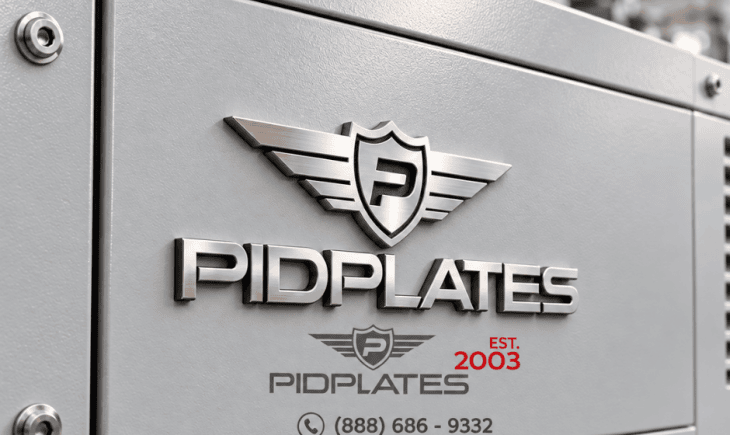
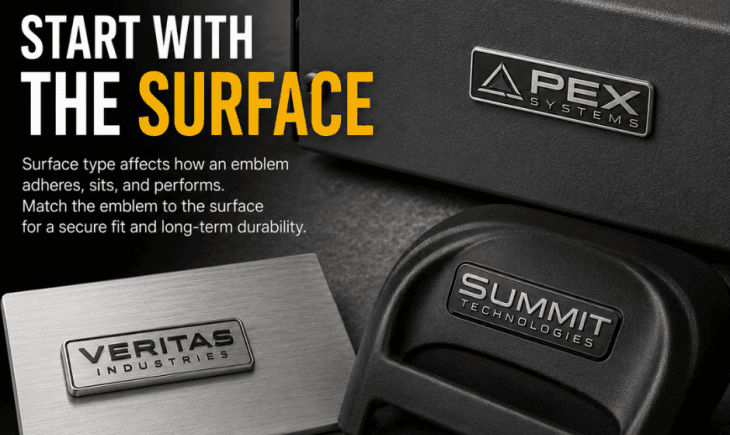
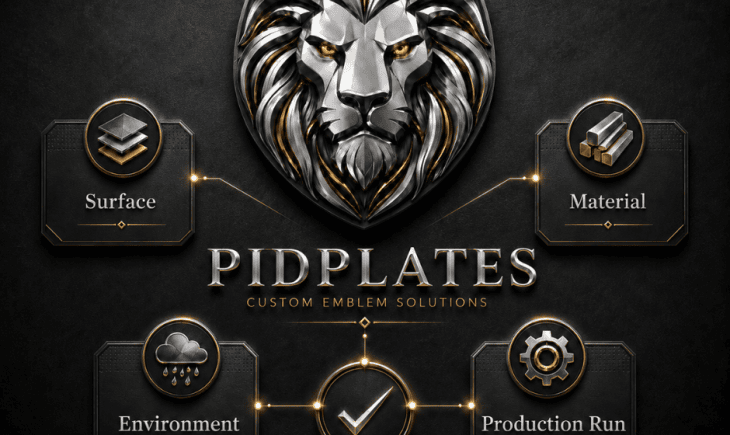
In the previous parts of this guide, we explained that choosing the right custom 3D emblem depends on more than appearance. The emblem must match the product surface, material requirements, operating environment, and production needs.
But a well-designed emblem also plays another important role: it helps shape how customers perceive the finished product.
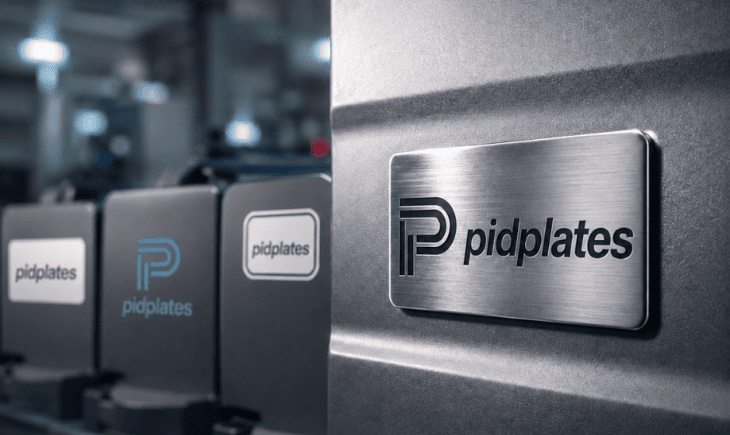
A custom 3D emblem does more than display a logo. It becomes part of the product and can help communicate quality, attention to detail, and brand consistency.
A Product’s Appearance Can Influence Customer Perception
Before customers review technical specifications, they often notice the physical details of a product.
The finish, materials, and overall presentation can influence how professional and reliable a product feels.
In industrial markets, these details matter because buyers are evaluating more than product performance. They are also considering the manufacturer behind the product.
A properly designed emblem helps create a more complete and consistent product appearance.
A Custom 3D Emblem Adds More Than a Logo
A standard logo identifies a product. A dimensional emblem adds physical presence.
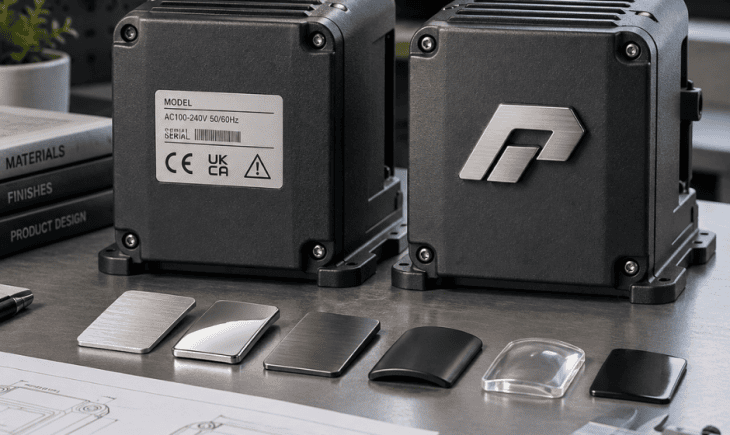
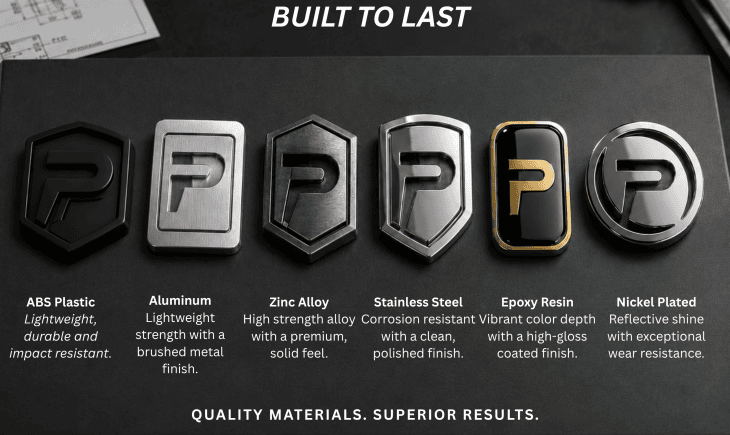
The combination of material, finish, color, and depth allows manufacturers to create a brand element that feels integrated into the product design.
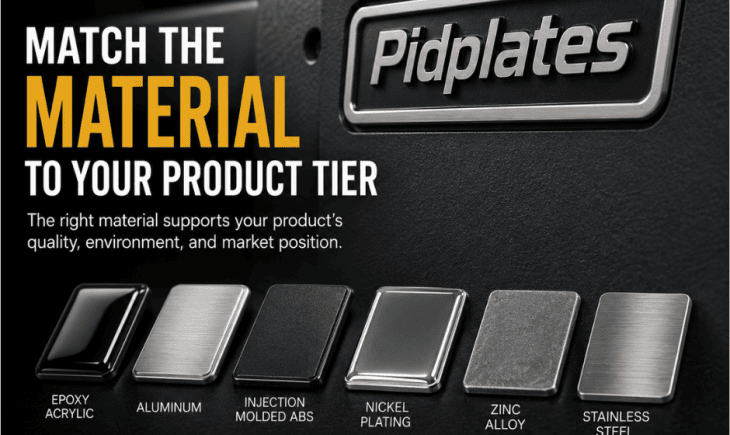
Different materials and finishes create different results. The right choice depends on the product, application, and expected use conditions.
The goal is not simply to make the logo stand out. The goal is to create an emblem that belongs on the product.
The Emblem Should Match the Product
A successful custom 3D emblem must support the product where it will be used.
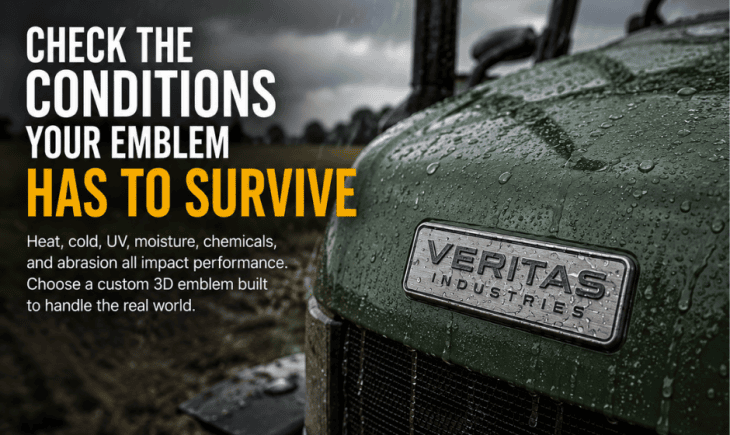
Surface conditions, environment, mounting method, and production requirements all influence the final result.
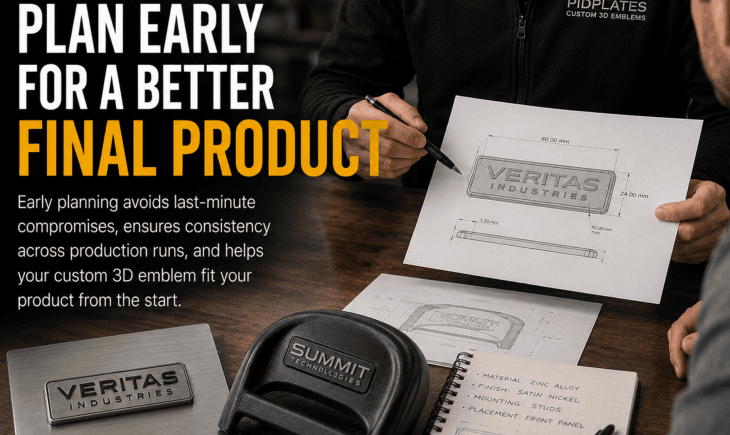
When these factors are considered early, manufacturers can create an emblem that looks right, performs properly, and supports the overall product design.
Final Thoughts: Build Brand Value Into the Product
A custom 3D emblem is more than a marking added to a product.
It is a physical representation of the company behind the product and an important detail that contributes to the final customer impression.
When the emblem matches the product design, survives the intended environment, and meets production requirements, it helps create a stronger and more professional finished product.
At PidPlates, we help manufacturers develop custom 3D emblems that match their product requirements, brand standards, and production needs.
If you are developing a new product line and want to explore the right emblem solution for your application, contact PidPlates to discuss your project and request a free quote with a 3D mockup file.